Choosing a reliable e-commerce development agency in India in 2026-2027 requires looking beyond the “lowest quote.” As India’s digital economy matures, the difference between a cheap site and a budget-friendly, high-performance store is the difference between a failing project and a scalable business. To find a partner that balances cost with reliability, follow this structured vetting process.
1. Define Your Technical “Must-Haves”
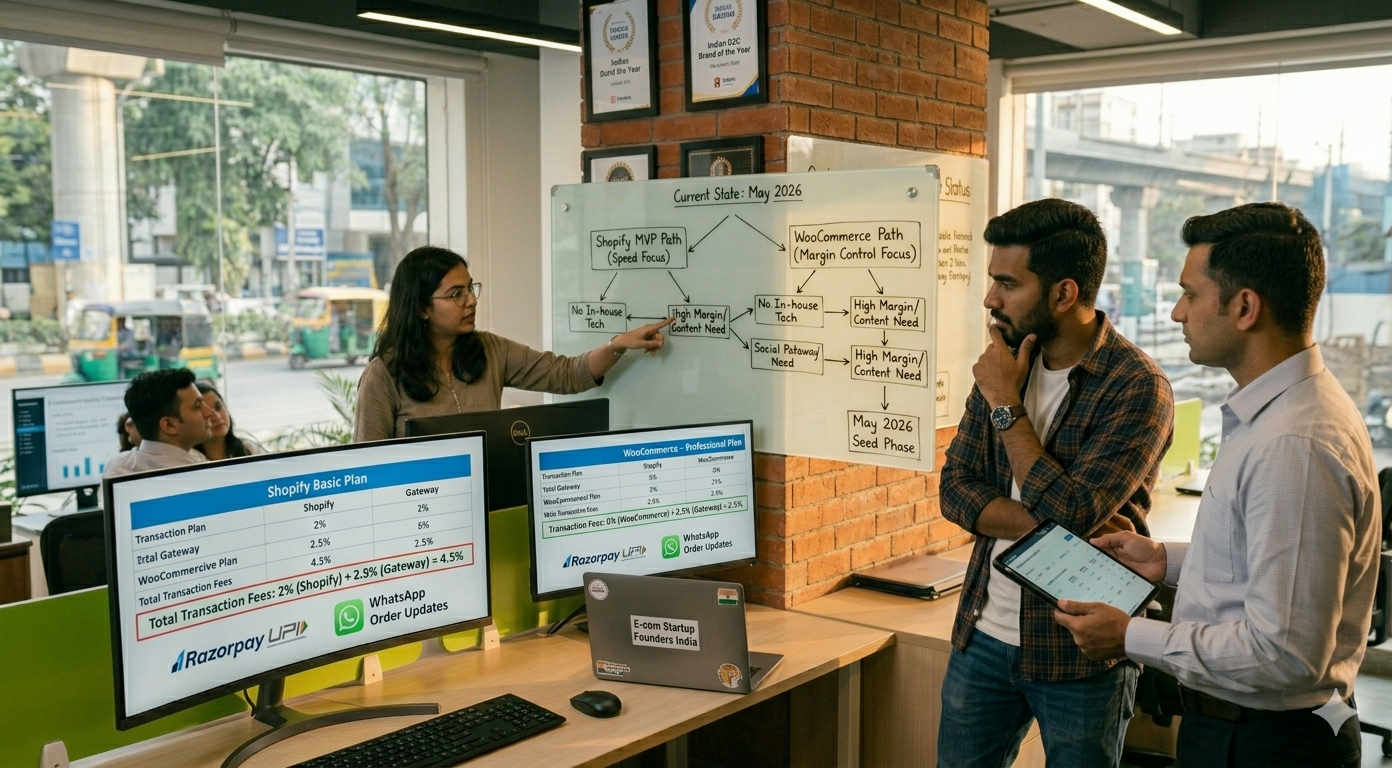
Before searching “near me,” decide on your platform. In 2026-2027, most budget-friendly agencies specialize in either Shopify or WooCommerce.
- Shopify Agencies: Best if you want a reliable, hands-off experience but are okay with monthly app fees.
- WooCommerce Agencies: Best if you want to own your data and avoid transaction fees, but you need a partner who is excellent at server maintenance. A reliable agency will tell you which one fits your specific product category rather than pushing the one they find easiest to build.
2. Look for “Full-Stack” Commerce Portfolios
A reliable e-commerce agency does more than design; they understand the “Indian Checkout Friction.” When reviewing their portfolio, don’t just look at the homepages. Check for:
- UPI Integration: Does the checkout feel native to Indian users (Razorpay/PhonePe)?
- Loading Speeds in Tier-3 Cities: Open their past work on a mobile device using a 4G/5G connection. If it takes more than 3 seconds to load, they are not optimized for the Indian market.
- Logistics Sync: Look for evidence that they have integrated with Indian shippers like Delhivery, Shiprocket, or Blue Dart.
3. The “Tier-2 City” Pricing Strategy
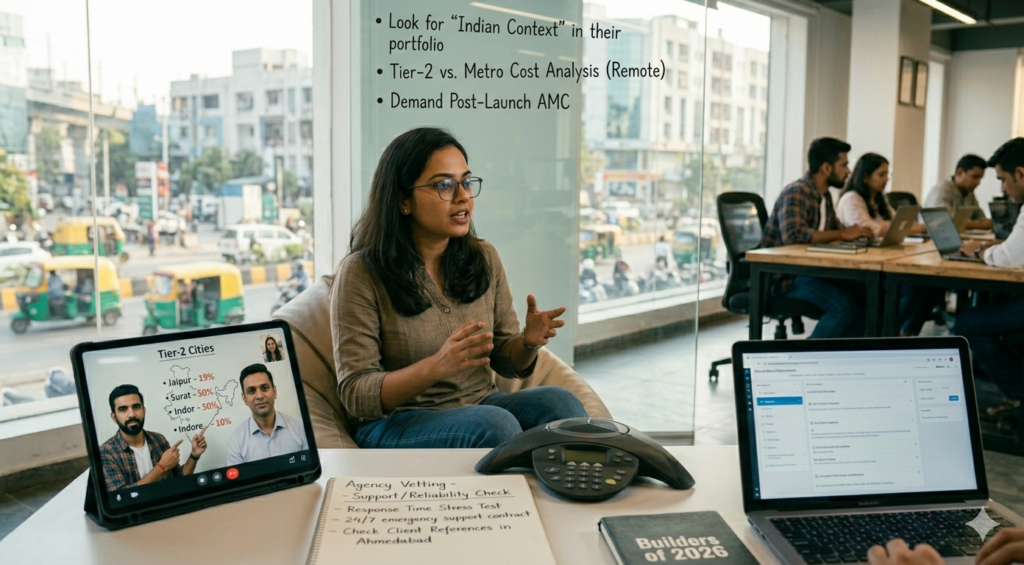
To find a “budget-friendly” agency that doesn’t compromise on quality, look for teams based in India’s emerging tech hubs. Agencies in Ahmedabad, Jaipur, Indore, or Kochi often have significantly lower overheads than those in South Bombay or Bangalore. You can often get “Metro-level” talent at 30-40% lower costs. In 2026-2027, with seamless remote collaboration tools, an agency “near you” can effectively be anywhere in India as long as their communication is proactive.
4. Verify Post-Launch Support (The Reliability Test)
An e-commerce site is a living entity. The biggest risk with low-budget agencies is “ghosting” after the final payment. A reliable agency will offer a clear Annual Maintenance Contract (AMC).
- The Test: Ask them, “What happens if my payment gateway fails during a Sunday sale?” * The Answer: A reliable partner will have a support ticket system or a dedicated WhatsApp group for urgent technical glitches. If they say “we will fix it on Monday,” they are not an e-commerce-first agency.
5. Demand Transparency on “Hidden” Costs
Budget-friendly can quickly become expensive if you aren’t careful. A reliable agency will give you a “Total Cost of Ownership” (TCO) for the first 12 months, including:
- Hosting Fees: (Expect ₹1,500 – ₹5,000/month for a growing store).
- Premium Plugin/App Subscriptions: (Often overlooked in initial quotes).
- Transactional SMS/WhatsApp API Costs: Essential for Indian order updates.
6. Check for “SEO-First” Development
In 2026-2027, a website that doesn’t rank is a liability. Ensure the agency includes Technical SEO in their base quote. This includes schema markup for products, breadcrumb navigation, and image compression. If they charge extra for “making the site Google-friendly,” they are using outdated practices.
Conclusion
For an early-stage Indian startup in 2026-2027, a realistic “budget-friendly” price for a professional e-commerce store is between ₹60,000 and ₹1,50,000. To ensure reliability, pick an agency that has a proven track record with Indian payment and logistics ecosystems. Your goal is to find a partner who treats your website as a revenue engine, not just a design file. By focusing on Tier-2 talent and technical transparency, you can launch a world-class store without a “Metro-city” price tag.